Best Air Purifier
Stop researching. Get the right answer for your situation.
For most bedrooms, offices, and everyday living spaces, the Coway AP-1512HH Mighty is still the air purifier that makes the most sense.
Coway AP-1512HH Mighty
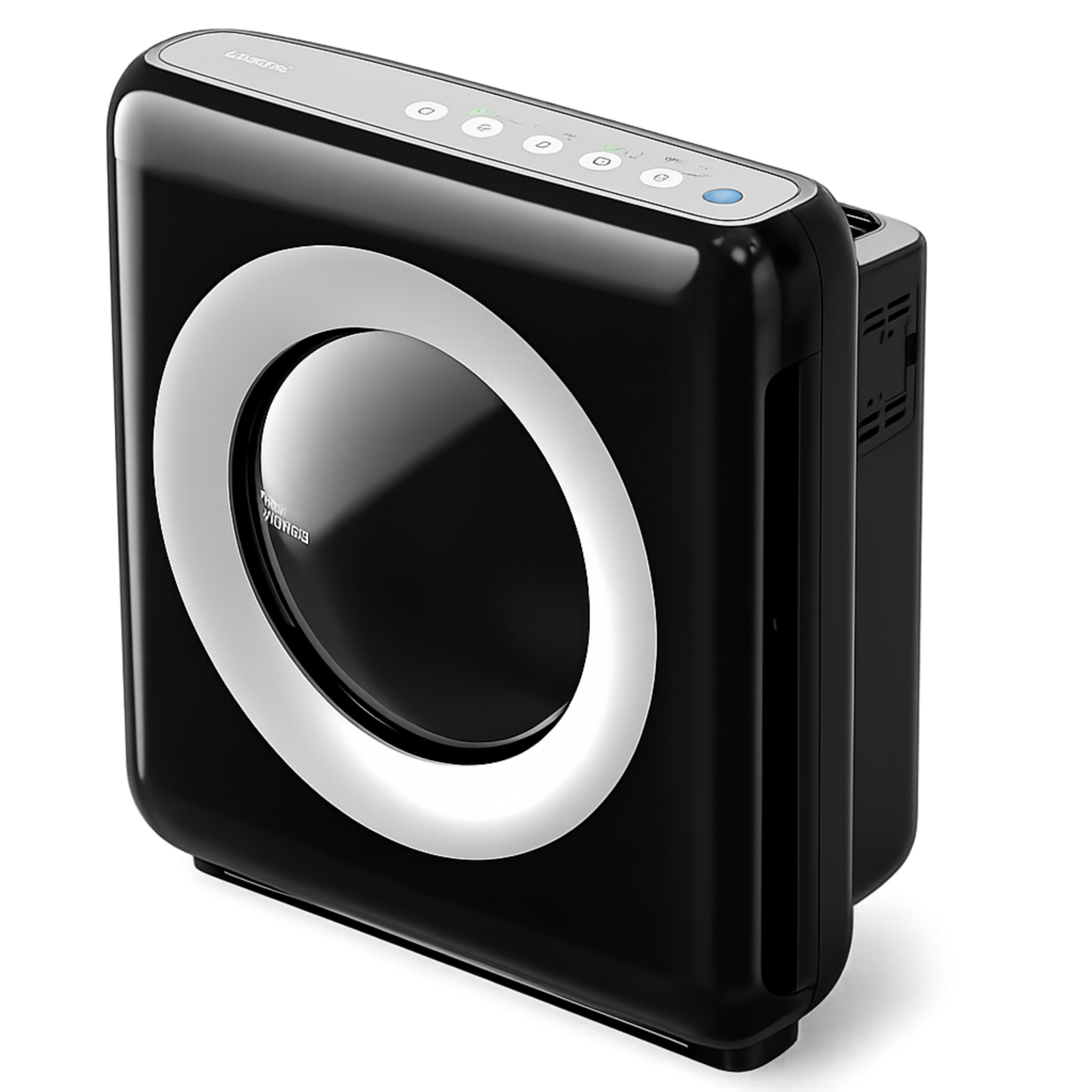
Best for most rooms that need real air cleaning, manageable filter costs, and dependable day-to-day use without paying for feature-heavy extras.
Decision Snapshot
- Price$180–$250
- Best forMost bedrooms and living spaces
- Stands out forBalanced airflow, sensible running costs, and long-term ownership fit
Why it wins: it avoids the most common purifier regrets at once — underpowered airflow, inflated room-size promises, and filter costs that stop making sense over time.
Want the shortest path?
Compare the obvious alternatives →See where pricier, quieter, and cheaper models still fall short for most buyers.
Why this decision holds up
- Strong enough to clean meaningfully in real rooms, not just on ideal-condition box claims.
- Filter replacement costs stay reasonable instead of quietly becoming the most expensive part of ownership.
- Simpler design makes more sense long term than paying up for app features and sensors that do not improve cleaning.
Not the right fit if you are trying to cover a very large open-concept space with one purifier or if ultra-quiet sleep mode is your top priority.
Already leaning toward it?
Check current pricing now — this is usually the point where buyers already know whether the Mighty fits their room, budget, and maintenance expectations.
Check the priceAffiliate link. Disclosure
Who this is for
Want cleaner air in a bedroom, office, nursery, or everyday living space without overspending
Care more about real airflow and usable coverage than premium features or app control
Need something you can realistically run every day without dreading filter costs
Want a model with a long, proven reputation instead of a newer purifier that looks good on paper
Need a defensible default choice that avoids the most common purifier buying mistakes
What buyers get wrong
Buying based on the box room-size claim instead of real airflow
Assuming more expensive means cleaner air
Choosing the quietest model without asking what it actually cleans at usable speeds
Ignoring replacement filter costs until the “cheap” purifier becomes expensive
Trusting feature-heavy purifiers before long-term reliability shows up
What sounds convincing — but isn’t
Big room claims
Many purifiers are rated for ideal conditions. That does not mean they clean a real room quickly or meaningfully at the speeds people actually use.
“True HEPA” alone
Filtration matters, but airflow matters just as much. A purifier with good filtration and weak airflow can still disappoint in real use.
Ultra-quiet marketing
Quiet often means slower cleaning. If the purifier only works well on a speed you will not keep running, the promise breaks down.
Feature-heavy controls
Apps, sensors, and auto modes can sound advanced, but they do not automatically translate into cleaner air or better long-term value.
What about the obvious alternatives?
This is where the decision gets pressure-tested.
These are the models buyers usually compare next — and the specific reason they still make less sense as the default choice for most homes.
Coway AP-1512HH Mighty
Best balance of real cleaning power, ownership cost, and long-term simplicity for most rooms.
Check the priceOpens retailer — pricing may vary
Levoit Core 200S
Better fit if you…
only need a purifier for a bedroom, office, or other genuinely small room
Why it’s not the default
Its smaller footprint is useful, but the airflow ceiling is too limited for the broader range of spaces most buyers are actually trying to cover
Check the priceBlueair Blue Pure 311i+ Max
Better fit if you…
want very strong day-to-day airflow with lower perceived noise, especially in a bedroom
Why it’s not the default
It solves the noise problem well, but the higher filter cost makes it a weaker value-default for the average buyer over time
Check the priceCoway Airmega 400S
Better fit if you…
need to clean a large room or open-concept area where smaller units stop making sense
Why it’s not the default
It is the better tool for much bigger spaces, but it costs more and is unnecessary overkill for the bedrooms and everyday rooms most people are actually shopping for
Check the priceWhat buyers still want to know
Do I need a bigger purifier than I think?
Usually, yes. This is one of the biggest category mistakes. Many people buy for the number on the box, then run the purifier on a lower speed in a real room and wonder why the air barely improves.
Is a more expensive purifier automatically better?
No. In this category, price often buys design, app control, or feature layering rather than proportionally better cleaning performance.
Does quiet mode mean it is still cleaning effectively?
Only to a point. The quieter the purifier runs, the less air it usually moves. That is why usable airflow matters more than a marketing promise about silence.
How much do filter costs matter?
A lot. Buyers routinely focus on purchase price and underestimate what replacement filters do to total cost of ownership over a year or two.
Should I just rely on auto mode?
Not blindly. Auto mode can be convenient, but purifier performance still depends on sustained airflow over time. Running the unit consistently usually matters more than letting the sensor decide everything.
Ready to stop researching?
For most buyers, the Coway Mighty still makes the most sense because it gets the fundamentals right: airflow, cost of ownership, and everyday reliability.
Check the priceAs an Amazon Associate we earn from qualifying purchases. See our affiliate disclosure.