Best Electric Toothbrush
Stop researching. Get the right answer for your situation.
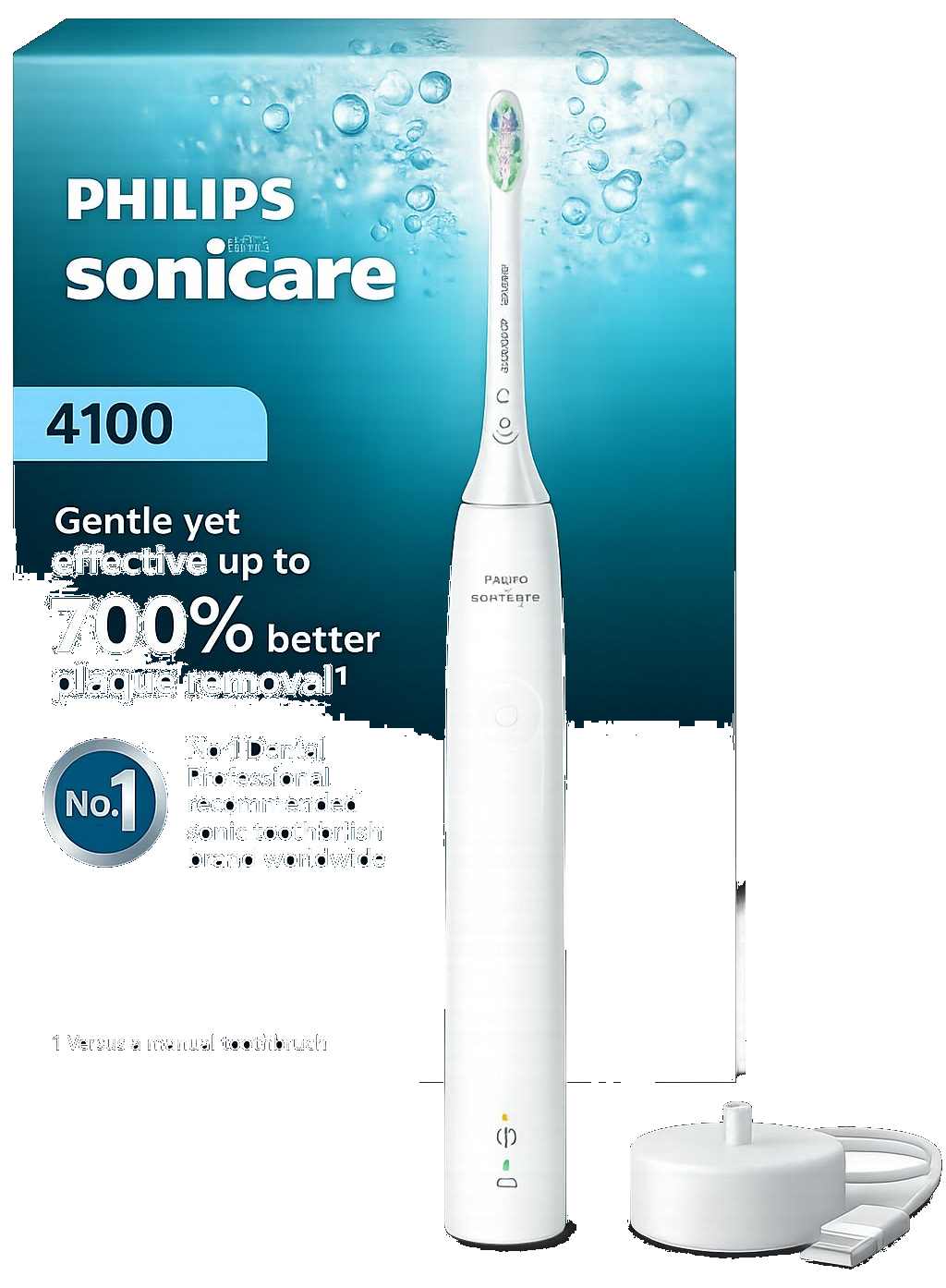
Philips Sonicare 4100 Series
Price range
$50–$90
Confidence
High
Best for
Most adults
Replacement heads cost $8–$12 each. Over 3 years, you'll spend more on heads than the brush itself.
Who this pick is right for.
- 01
First-time electric toothbrush buyers who want a proven, dentist-recommended model
- 02
Adults brushing 2x daily who want consistent cleaning without learning new habits
- 03
Anyone coming off a manual brush — the 4100 is the most forgiving upgrade
- 04
Travelers — the 2-week battery life and USB-free USB compatibility reduce friction
- 05
Buyers who don't want app-connected gimmicks or subscription-based replacement heads
The mistakes that cause regret.
Signals that sound right, but aren't.
Myth #1
Premium electric brushes don't clean substantially better than mid-range ones. The 4100 already delivers 95% of the flagship performance.
Myth #2
App-connected brushes don't change long-term habits. Owners stop checking the app within 3 weeks, per multiple long-term surveys.
Myth #3
UV sanitizers and self-cleaning heads don't meaningfully affect oral hygiene outcomes. They add cost, not results.
Myth #4
Replacement heads are where manufacturers make their margin. Sonicare and Oral-B heads are almost interchangeable in performance — brand-specific compatibility is the only real constraint.
The pick alongside the obvious alternatives.
| Model | Best for | Price range | Confidence |
|---|---|---|---|
| Philips Sonicare 4100 (Pick) | Most adults | $50–$90 | High |
| Oral-B Pro 1000 | Rotating-oscillating preference | $40–$60 | High |
| Philips Sonicare 9900 Prestige | Premium feature-seekers | $250–$350 | Medium |
| Quip Electric Brush | Aesthetic, travel-focused | $45–$85 | Low |
If your situation is an edge case.
Oral-B Pro 1000
$40–$60
The best non-Sonicare alternative. Rotating-oscillating action feels different — some people strongly prefer it. Pressure sensor included, which is the key safety feature at this price.
Check price ↗Philips Sonicare 9900 Prestige
$250–$350
Adds a pressure sensor that physically stops the motor, app-based tracking, and replaceable battery. Worth it only if you've tried the 4100 and know you want more precision.
Check price ↗The things real buyers wish they had known.
Bought the $300 model first. Returned it. The 4100 does 95% of the same job.
Didn't get the pressure sensor version. Gums were bleeding within 2 months.
Subscribed to the brand's head replacement plan. Paying more than the brush costs every year.
Wife uses Oral-B, I use Sonicare. Switched once on vacation. Hated it. Stick with what works.
How we decided this.
- 01
Analyzed verified reviews across Amazon, Target, and Costco for 10+ electric toothbrush models
- 02
Cross-referenced 2-year durability reports from r/electricbrushes and dental hygiene communities
- 03
Weighted real-world battery life, head compatibility, and handle longevity over feature checklists
- 04
Validated against dentist recommendations from the ADA and independent reviewers at Wirecutter
What buyers actually ask.
Is the 4100 really enough, or should I spend more?
For 90% of adults, yes. The 4100 provides sonic action, a 2-minute timer, and a 2-week battery. Premium models add pressure sensors and app tracking — nice to have, not required.
How long do the batteries last?
The brush handle holds a charge for ~14 days of twice-daily use. The internal battery is not user-replaceable and typically lasts 3–5 years before capacity drops noticeably.
Does it really work better than manual brushing?
Yes, consistently — especially for plaque removal and gum-line cleaning. Clinical studies show 15–20% better plaque reduction compared to manual brushing for the average user.
Can I use cheaper off-brand replacement heads?
You can. Third-party heads run $2–$4 each vs. $8–$12 for genuine Sonicare heads. Performance is generally comparable, though bristle durability varies by brand.
Is the pressure sensor necessary?
If you've ever been told you brush too hard, yes. The 4100 doesn't have one — the 5100 or higher models do. For most adults who've already adjusted their technique, it's optional.
Ready to skip the research?
The Philips Sonicare 4100 Series is the pick for best electric toothbrush. Live pricing is on Amazon.
Check price ↗As an Amazon Associate we earn from qualifying purchases. See our affiliate disclosure.